
I Spent 1000+ Hours Studying Million $ Businesses... Here’s What I Found?! 🤯
After studying 1000s of hours of content from entrepreneurs like Alex Hormozi, Iman Gadzhi, Dan Martell and dozens of other high-level operators, I realized something shocking!

Most million-dollar businesses are running the exact same backend system.
Different industries.
Different offers.
Different audiences.
But the operational architecture behind them?
Almost identical.
And once you understand this system, you stop seeing businesses as “brands” or “products”… and start seeing them as machines.
This article is a breakdown of that machine.
The Biggest Lie About Business Growth
Most people think businesses scale because of:
better products
more ads
more content
better branding
viral marketing
But after studying hundreds of online businesses, agency owners, SaaS founders, ecommerce brands, consultants, creators, and educators… I realized something:
Most businesses don’t fail because they lack demand.
They fail because they leak money everywhere.
Leads disappear.
Follow-ups never happen.
Customers lose interest.
Sales pipelines become chaos.
Teams become disorganized.
Delivery breaks.
The result?
The business stays stuck.
This is why some businesses with average products scale to millions… while smarter founders with better products struggle to cross $10K/month.
The difference is not motivation.
It’s systems.
The 5-Layer Blueprint Behind $1M+ Businesses
After reverse-engineering dozens of successful online businesses, I found that almost every scalable company operates using these 5 layers:
Traffic Engine
Lead Capture System
Lead Management Infrastructure
Conversion Engine
Fulfillment + Retention System
This is the architecture behind modern online businesses.
Let’s break it down.
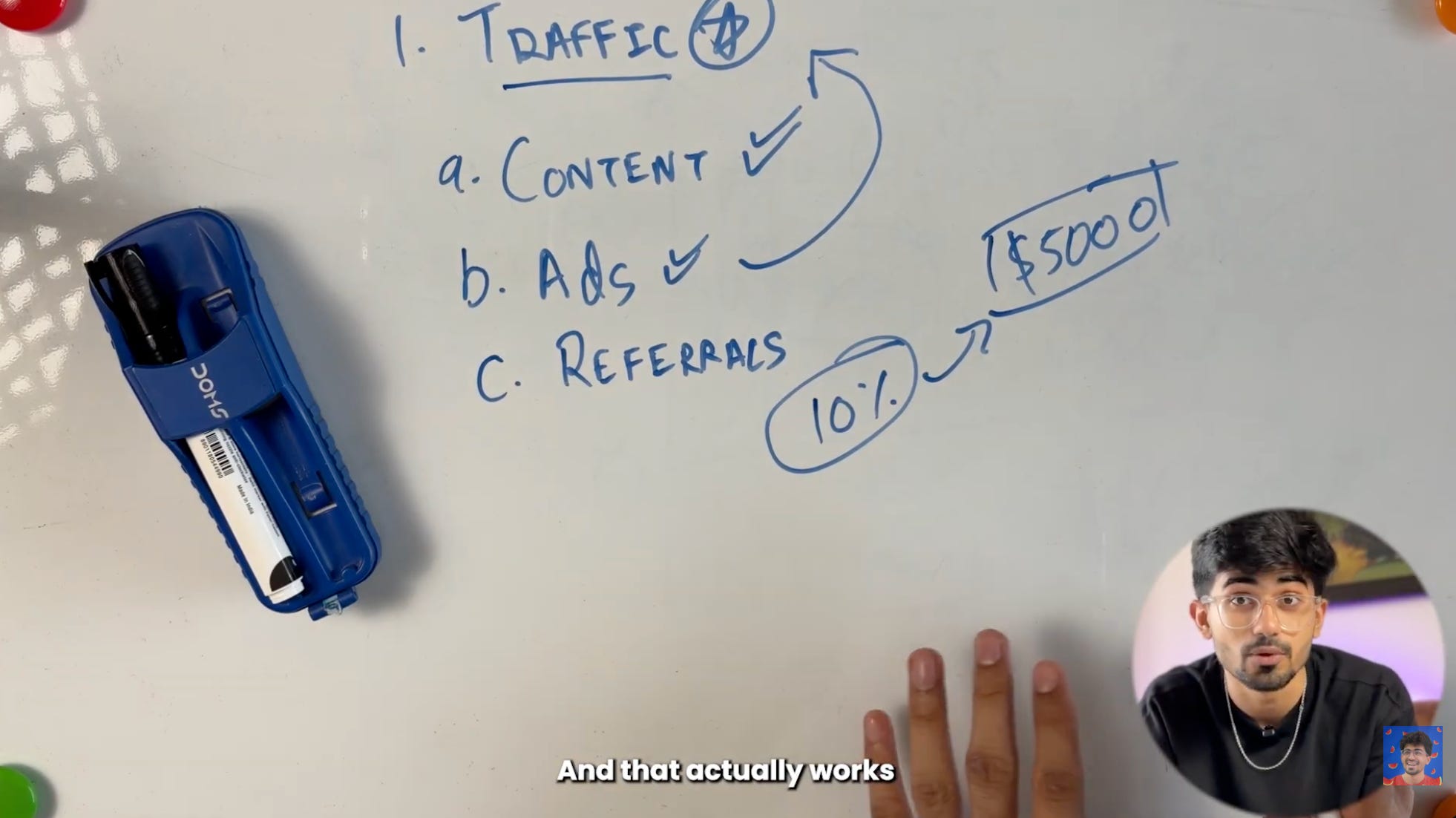
1. Traffic Engine
Attention Is the Fuel
Every business starts with attention.
No attention = no leads.
No leads = no revenue.
Most million-dollar businesses generate traffic from a combination of:
organic short-form content
YouTube
paid ads
SEO
referrals
outbound prospecting
email newsletters
creator partnerships
But here’s the important part:
Traffic itself does not make money.
Traffic only creates opportunities.
And this is where most founders misunderstand business.
Because once attention comes in… the real game begins.
2. Lead Capture System
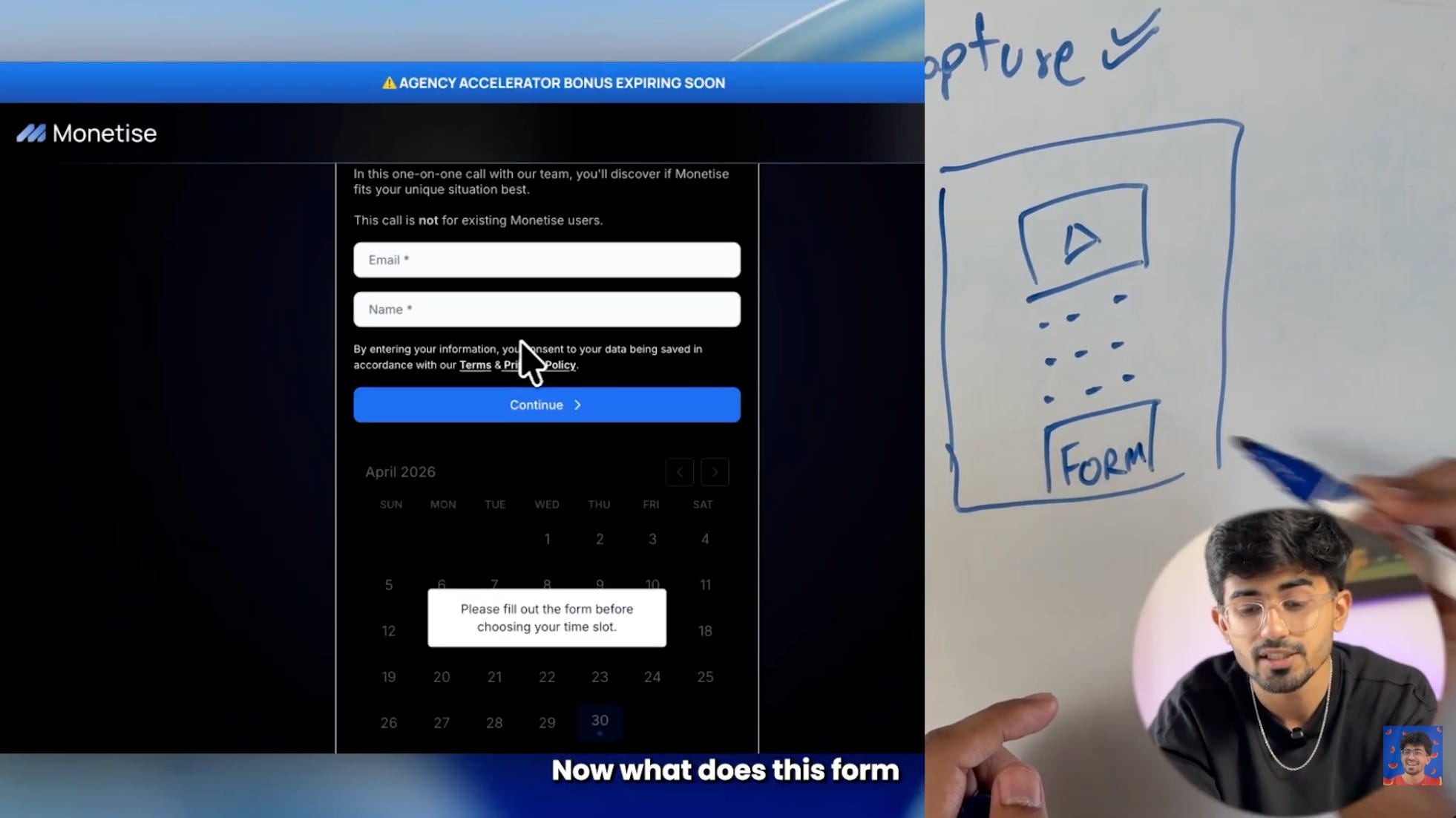
Turning Attention Into Opportunity
This is the layer where attention becomes:
emails
booked calls
inquiries
form submissions
DMs
consultations
signups
This stage is extremely important because businesses lose massive amounts of revenue here.
A visitor may:
click your website
watch your video
become interested
want your product
…and still disappear forever.
Why?
Because there is no proper lead capture system.
Million-dollar businesses obsess over reducing friction at this stage.
That’s why they use:
optimized landing pages
lead magnets
automated forms
retargeting systems
email capture funnels
CRM integrations
Most businesses focus only on getting more traffic.
Elite businesses focus on maximising the value of existing traffic.
3. Lead Management Infrastructure
Where Most Businesses Lose Money
This is the most important layer in the entire system.
And it’s also the layer most businesses completely ignore.
Once leads enter the business, what happens next?
For small businesses, usually this:
spreadsheets
forgotten DMs
late replies
messy notes
random follow-ups
missed opportunities
But high-level businesses don’t manage leads manually.
They systemize them.
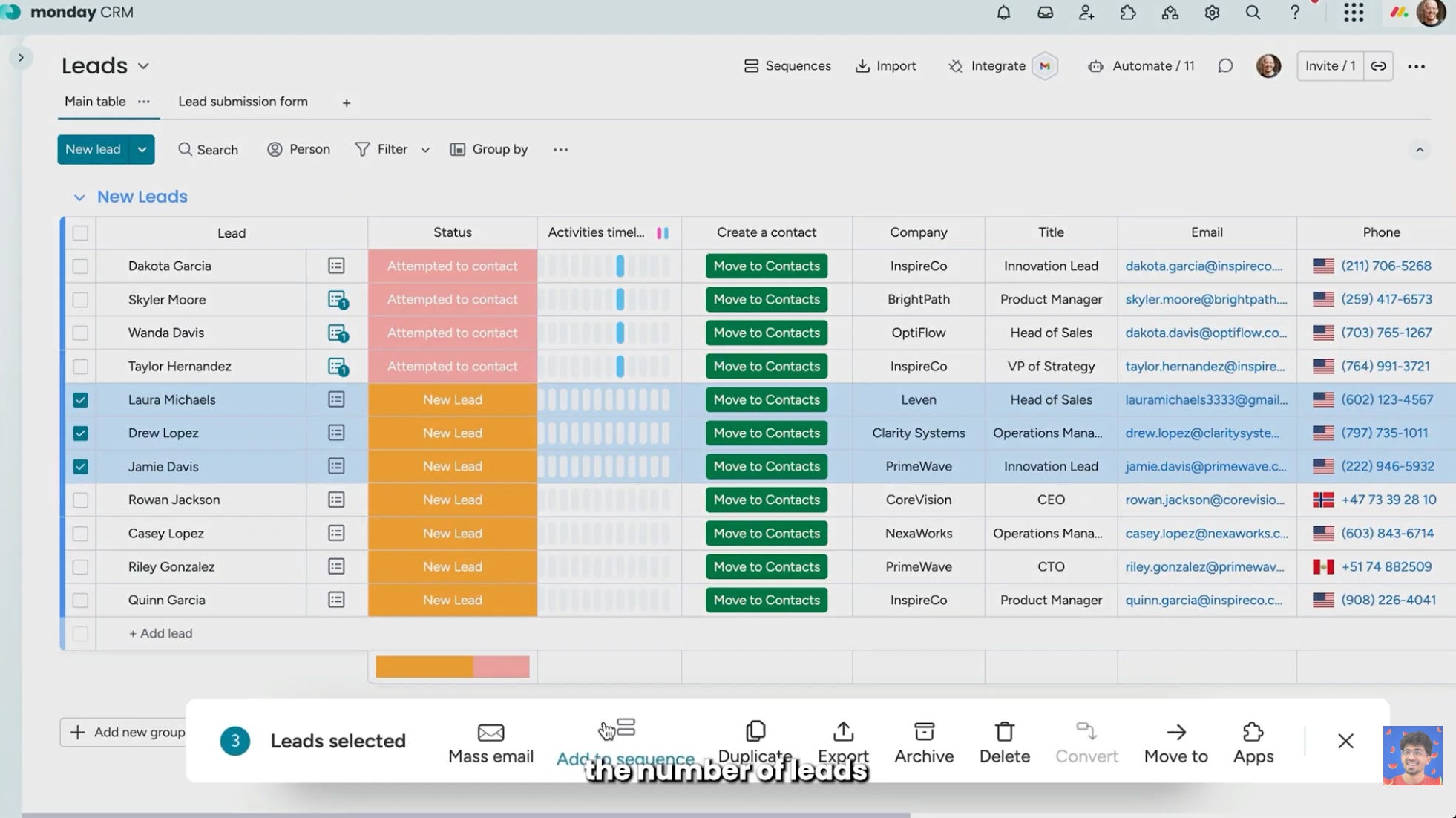
This is where platforms like monday CRM become critical.
Instead of leads sitting in scattered apps, spreadsheets, WhatsApp chats, or inboxes… everything becomes centralized.
The workflow usually looks something like this:
Step 1: Leads Enter Automatically
Leads come from:
ads
websites
forms
email campaigns
inbound messages
content funnels
Instead of manually organizing everything, systems automatically capture and organize those leads instantly.
Step 2: AI Enriches and Qualifies Leads
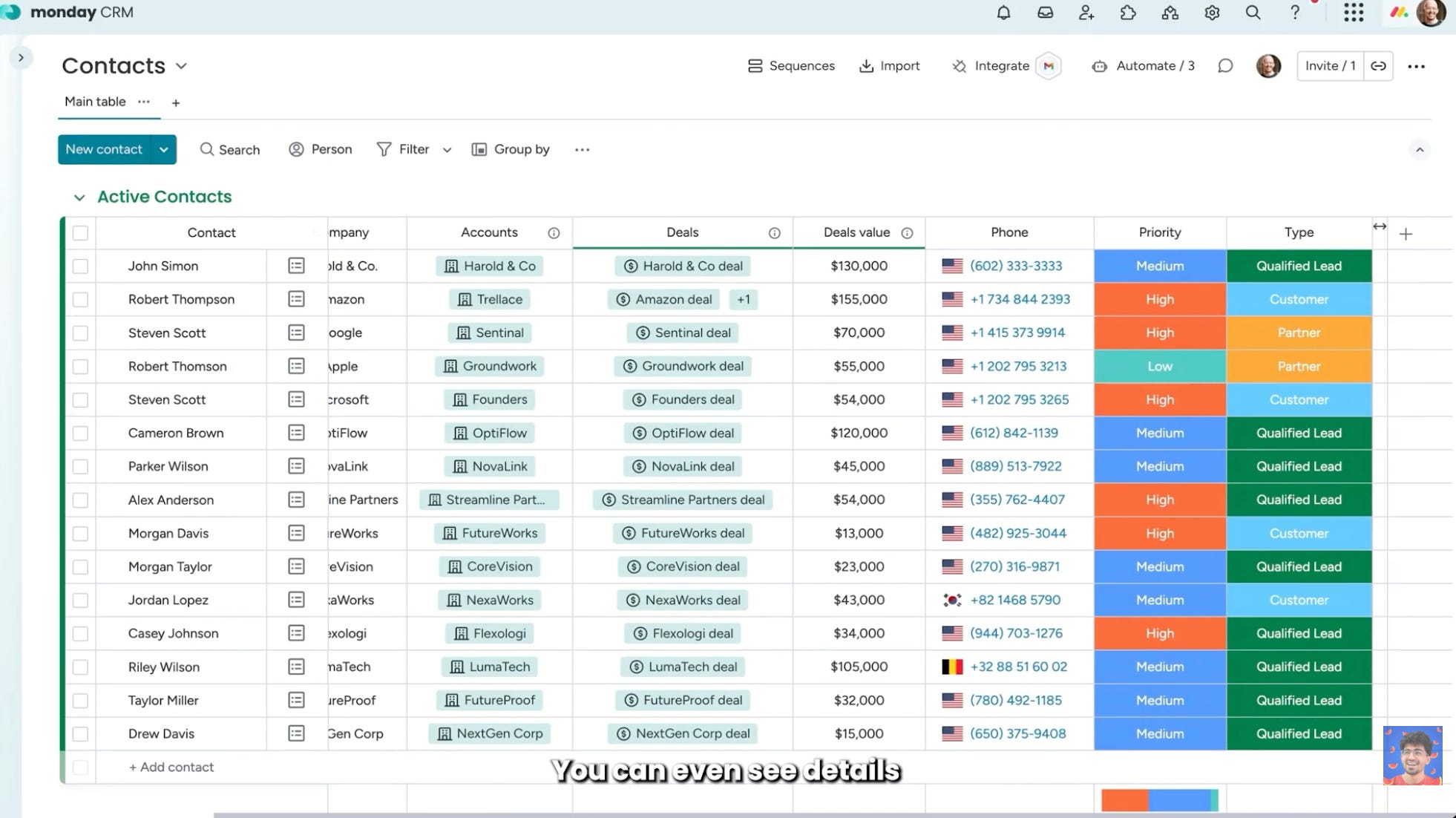
This is where AI changes the game.
Instead of manually reviewing every lead, AI systems can:
enrich customer data
identify high-intent prospects
qualify leads automatically
prioritize hot opportunities
According to Salesforce research, sales reps spend less than 30% of their time actually selling.
Most of their time is consumed by:
admin work
data entry
organization
follow-ups
AI-first systems remove a huge amount of that operational friction.
Step 3: Automated Follow-Ups
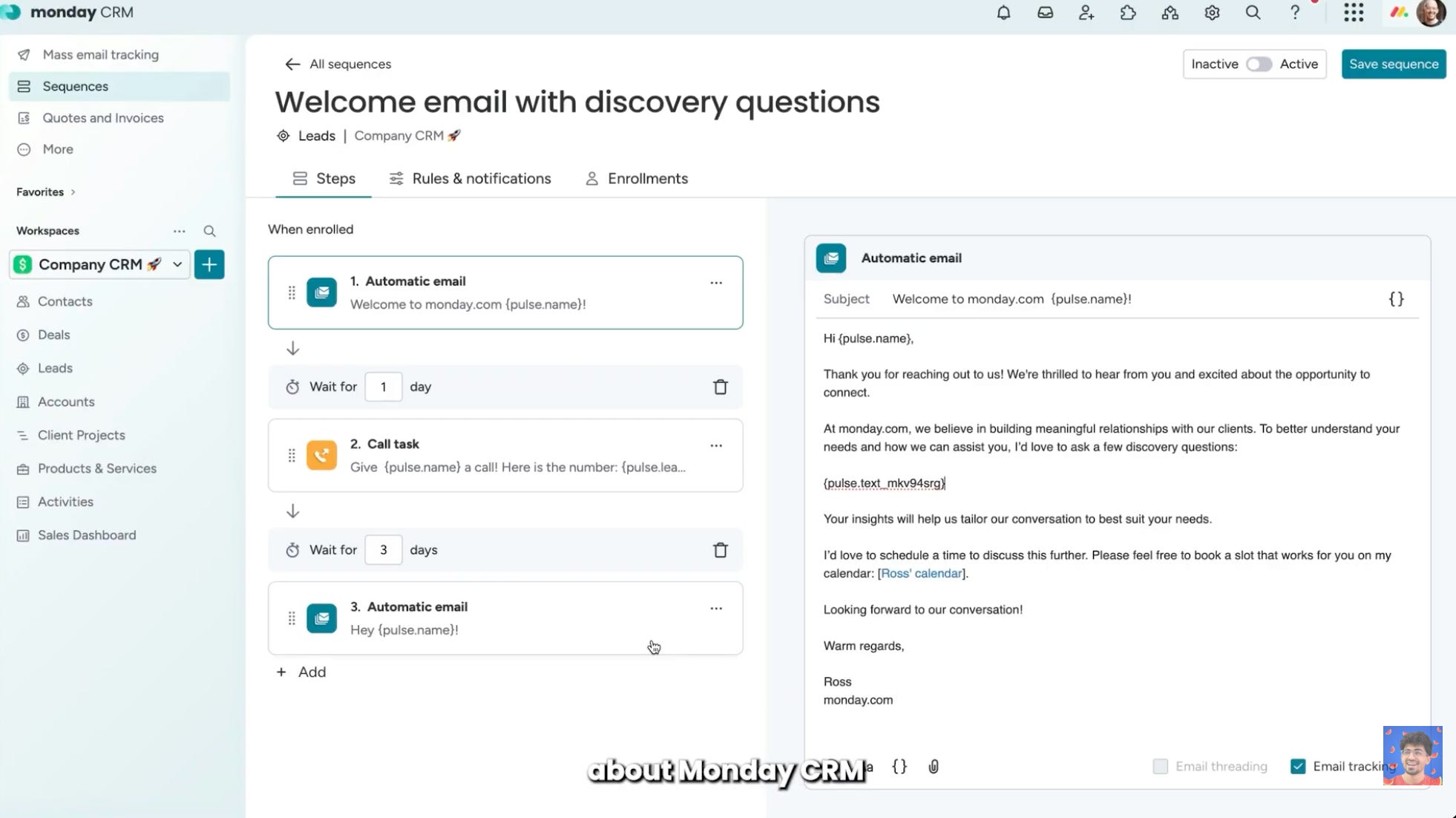
This is one of the biggest hidden advantages of large businesses.
They follow up relentlessly.
Most small businesses lose leads simply because they:
respond too slowly
forget to follow up
stop nurturing leads too early
Meanwhile, million-dollar businesses use automated nurture sequences that:
send emails automatically
continue customer communication
push leads deeper into the funnel
build trust over time
Research by Harvard Business Review found that businesses responding to leads within an hour are dramatically more likely to qualify them compared to delayed responses.
Speed matters.
Consistency matters.
Systems matter.
Step 4: Centralized Communication
Another major pattern I noticed:
Top businesses centralize customer communication.
Instead of switching between:
WhatsApp
Gmail
spreadsheets
Slack
notes apps
…everything is connected into one operational workflow.
This creates:
visibility
accountability
speed
operational clarity
And as the business scales, this becomes incredibly important.
Because chaos does not scale.
4. Conversion Engine
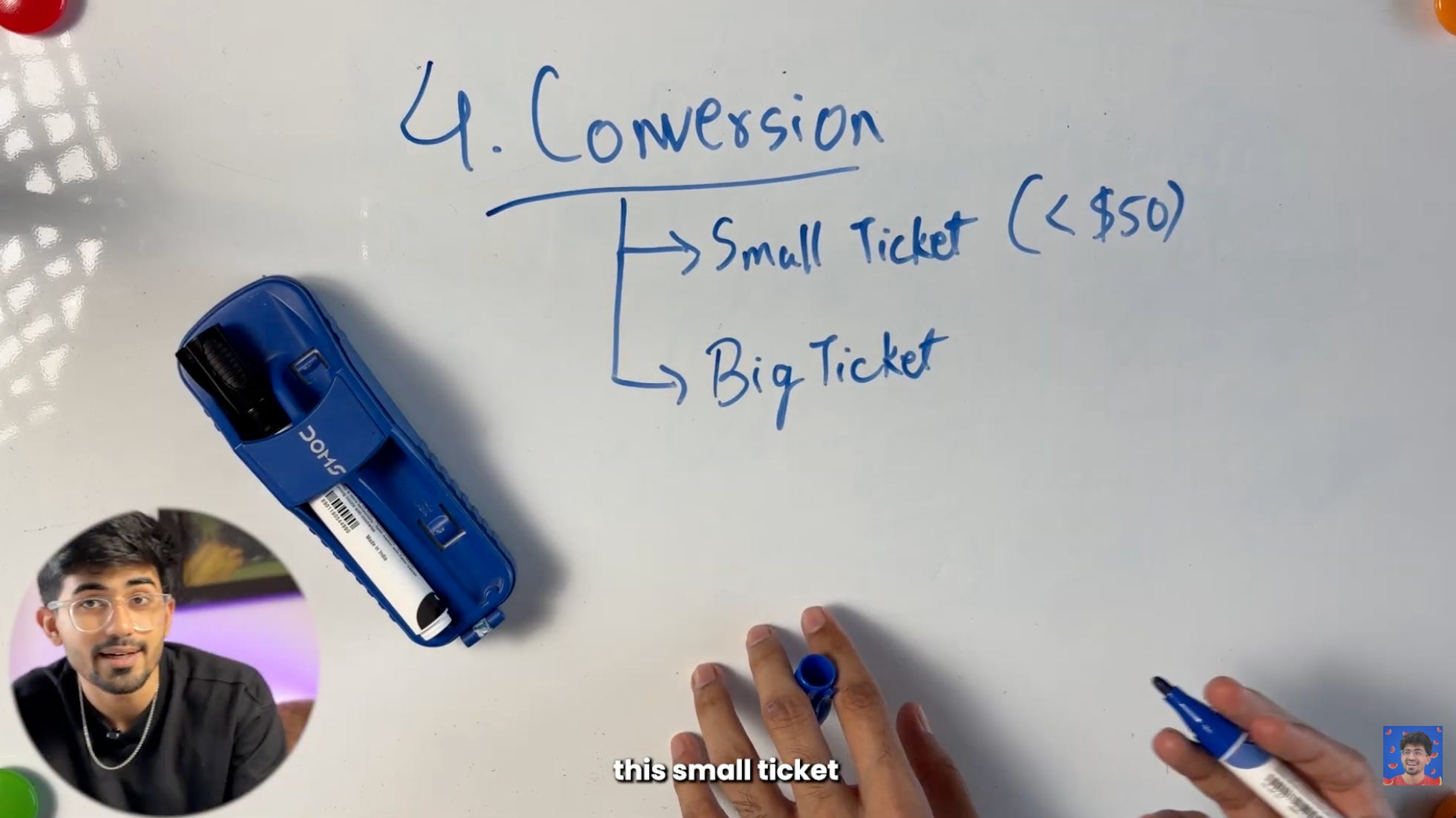
Small tickets are generally shown the sales page,
whereas high tickets land with a sales representative
Turning Leads Into Revenue
Once leads are organized, qualified, and nurtured… they move into conversion.
This is where businesses generate revenue.
Most founders think sales is about persuasion.
But after studying top operators, I realized:
Sales is mostly about:
timing
speed
trust
consistency
visibility
The businesses that win usually:
follow up faster
track every lead
know exactly where deals are stuck
understand customer intent better
maintain consistent communication
This is why elite businesses operate using sales pipelines.
Instead of guessing, they can literally see:
active opportunities
stalled deals
high-probability customers
revenue forecasts
And this is where AI-powered dashboards become extremely valuable.
Modern systems can now:
identify risks
recommend next best actions
uncover hidden opportunities
forecast revenue
improve decision-making
At scale, data visibility becomes a competitive advantage.
5. Fulfillment + Retention System
What Happens After the Sale Matters More Than Most Founders Think
Most businesses focus aggressively on acquiring customers.
Very few focus enough on operational delivery.
But here’s the reality:
Retention is often more profitable than acquisition.
The moment a customer pays, elite businesses trigger systems automatically:
onboarding starts
tasks are assigned
delivery workflows activate
teams are notified
customer history is shared
This reduces friction massively.
And more importantly:
It creates consistency.
The customer experience becomes predictable.
And predictable systems scale.
The Real Difference Between Small Businesses and Million-Dollar Businesses
After studying all of this, I realized something extremely important:
Million-dollar businesses are not necessarily run by smarter people.
They are run by better systems.
That’s it.
Most businesses stay stuck because everything depends on humans remembering things manually.
But scalable businesses remove dependency on memory.
They automate:
organization
tracking
follow-ups
communication
handoffs
workflows
reporting
This is why modern AI-powered business infrastructure is becoming such a massive advantage.
Businesses are moving away from:
manual operations
…towards:
systemized operations.
And the companies that adapt fastest will likely dominate the next decade.
Final Thoughts
The internet has created an illusion that scaling businesses is mostly about:
virality
content
hacks
trends
motivation
But behind almost every successful online business is an operational machine.
A backend system.
A workflow.
A structure.
And after studying entrepreneurs like Alex Hormozi, Iman Gadzhi, Dan Martell, Russell Brunson, and many others… the pattern became impossible to ignore.
The businesses that scale are the businesses that systemize.
The ones that:
reduce friction
centralize operations
automate workflows
improve visibility
and remove chaos from growth
That is the real blueprint behind million-dollar businesses.
And honestly?
Once you see it… you start viewing every successful company differently.
Question For You
Which layer do you think is currently weakest in your business?
Traffic
Lead Capture
Lead Management
Conversion
Fulfillment
Reply and let me know.